



What Is a Formulary, Anyway?
The MVP Formulary is the official list of medications covered by your MVP plan, including both brand-name and generic drugs. It helps you and your doctor choose safe, effective, and affordable options, with generics often providing lower costs. Generic drugs meet the same standards as brand-name medications and usually cost less out-of-pocket.
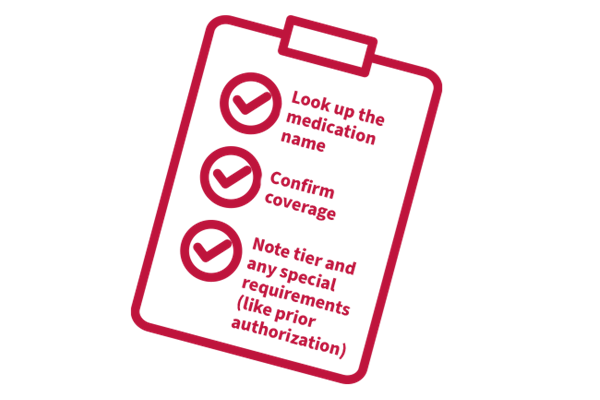
You don’t need medical knowledge to use your Formulary, just some curiosity. Check your MVP Formulary to confirm that the medication is listed (covered) and note its tier and any requirements, like prior authorization. Prior authorization means MVP must approve coverage before you get your prescription.
Pro Tip: Loop your provider into the conversation early. Asking if a medication requires prior authorization or if a generic option is available can save time and frustration later.
Start with Gia®
The Gia by MVP mobile app lets you search for your preferred in-network pharmacy and compare drug costs, using real-time information.* Your personalized results will show:
- Local in-network pharmacies
- Drug pricing based on your MVP plan, Formulary, and deductible spending
- Mail order options when applicable
- Whether a drug requires a prior authorization
To get started, sign in to the Gia by MVP mobile app. Tap Pharmacy, then Drug Cost and Pharmacy Search.
To select your preferred pharmacy:
- Enter a zip code to find local in-network pharmacies.
- Select your preferred location.
For pricing results:
- Enter the drug name in the search bar, and then select the appropriate form and strength.
- For more information, tap Cost Details on the pricing card.
*MVP members must have a pharmacy benefit through their MVP plan to use the Drug Cost and Pharmacy Search tool.
What Will I Pay Out-of-Pocket?
Out-of-pocket costs depend on factors like whether a drug is generic or brand-name and how it’s categorized under your plan. Once you know a drug is covered (listed on your Formulary), two things mainly shape your cost: the drug’s tier and your plan’s cost-sharing.
1. Check the drug’s tier on the Formulary.
Each covered prescription drug is placed into a tier, and tiers are directly tied to what you will pay out-of-pocket. MVP prescription plans use tiered designs, where lower tiers generally have lower out-of-pocket costs and higher tiers generally have higher out-of-pocket costs. This tier structure is described in your MVP Schedule of Benefits or Prescription Drug Rider (plan documents).
2. Match the tier to the plan’s cost-sharing.
Once you know the drug’s tier, refer to your plan documents to see the cost-sharing that applies to that tier. Plan documents explain that for covered drugs filled at an in-network pharmacy, you are responsible to pay for the applicable cost-sharing for that drug’s tier. Depending on the plan, cost-sharing may be:
- A co-payment: a fixed dollar amount you pay each time you fill a prescription
Example: If your plan lists a $15 co-pay for a Tier 2 brand-name drug, you pay $15 at the pharmacy, even if the drug costs much more. - Co-insurance: a percentage of the drug’s cost that you pay
Example: If your plan has 20% co-insurance and the cost of a medication is $200, you’ll pay $40, and the plan pays the rest. - Or $0 once an out-of-pocket limit (deductible) has been met
Pro Tip: If you want a clearer picture before heading to the pharmacy, your pharmacist is a great resource. They can often tell you whether a lower cost option is available or help confirm what you’ll owe at pickup. Pharmacists can also help confirm if:
- Your prescription is available for an extended-day supply (i.e., 90- or 100-day)
- Your prescription is eligible for CVS Caremark® Mail Service Pharmacy
- You’ve already met your deductible
3. Use MVP resources for the most up-to-date cost information
- Sign in to the Gia by MVP mobile app to search for in-network pharmacies and compare drugs costs
- View your MVP Formulary and tier information
- Call the number on the back of your MVP Member ID card to help confirm cost-sharing details
Bottom Line
Remember these three tips to avoid unexpected costs and get the most from your prescription coverage.
- Your MVP Formulary confirms coverage.
- The tier and plan documents explain cost-sharing.
- The pharmacy confirms the final price.
Smart Habits That Help Keep Costs Down
A few small habits can make prescription management feel less overwhelming:
Ask about generics whenever you’re prescribed a new medication; many are available and cost less out-of-pocket.
Check the Formulary early, especially if you’re starting a new treatment.
Talk with your provider or pharmacist if something doesn’t look right, there may be options you haven’t considered yet.
These conversations aren’t just practical, they’re empowering!
A Little Planning Can Go a Long Way
Understanding your MVP Formulary isn’t about memorizing drug lists or navigating fine print. It’s about feeling prepared, asking the right questions, and knowing where to look before you’re standing at the pharmacy counter.
With a little planning and the right resources, prescription coverage can feel less like a mystery and more like a manageable part of everyday life.
