


Types of COPD
COPD is not a single disease. Many people experience a mix of both chronic bronchitis and emphysema.
Scheduled System Maintenance
We’re currently performing scheduled maintenance. Gia online accounts and the Gia by MVP app may be temporarily unavailable during this time. We apologize for any inconvenience and appreciate your patience.


COPD is a long-term lung condition caused by damage to the lungs. The damage causes swelling in airways, making it harder to move air in and out of the lungs.
Smoking is the leading cause of COPD, but it is not the only one. Years of exposure to air pollution, dust, chemicals, secondhand smoke, and even genetics can also play a role. COPD often develops slowly, and there is no cure.
COPD is not a single disease. Many people experience a mix of both chronic bronchitis and emphysema.
Chronic bronchitis affects the bronchial tubes, causing swelling and extra mucus that make breathing harder. A common sign is a long-lasting cough that produces mucus. The irritation raises the risk of infections and makes it harder to breathe.
Emphysema damages the tiny air sacs in the lungs, making it harder for them to stretch and work properly. Air can get trapped in the lungs, which makes exhaling harder with shortness of breath, even during simple activities.
Early signs of COPD can be easy to overlook, and some people attribute the signs to aging or being out of shape. Recognizing COPD early can make a big difference. Signs to watch for include:
If these symptoms sound familiar, it’s worth talking to your doctor. A simple breathing test, called spirometry, can help check how well your lungs are working. Early diagnosis allows you to take steps that can slow COPD and protect your lung health.
Living with COPD means giving your lungs extra care each day. Notice what affects your breathing, what helps or worsens symptoms, and work with your doctor to choose tools and routines that fit your life. While there’s no cure, small lifestyle changes can become part of your routine and help make breathing easier and daily life more comfortable.
This is the most powerful step to protect your lungs!
These may include oral or inhaled medications, or pulmonary rehab.
Wipe down surfaces with a damp cloth, keep windows closed near busy roads, and choose unscented cleaning products. When possible, use an air purifier.
Stay active with gentle movement, eat well, and lean on support from others.
Cold and flu season can be especially challenging for people living with COPD, as even minor illnesses can worsen symptoms.
Take simple steps to help protect your lungs.
It's important to avoid shortness of breath when you have COPD. Breath training can help you take deeper breaths so you can breathe easier and feel better. Some breath training methods include pursed-lip breathing, and belly breathing.
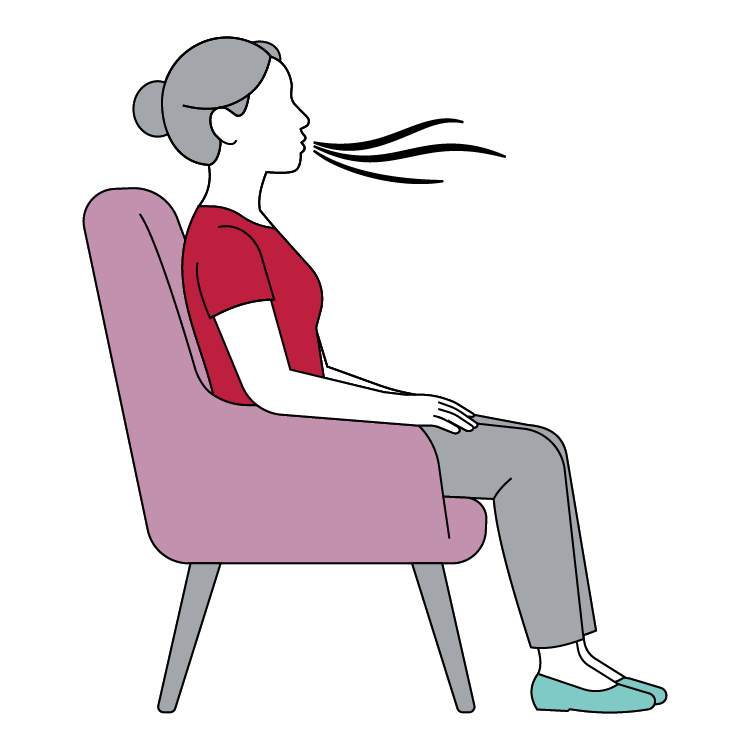 Pursed-lip breathing helps you breathe more air out so that your next breath can be deeper.
Give it a try:
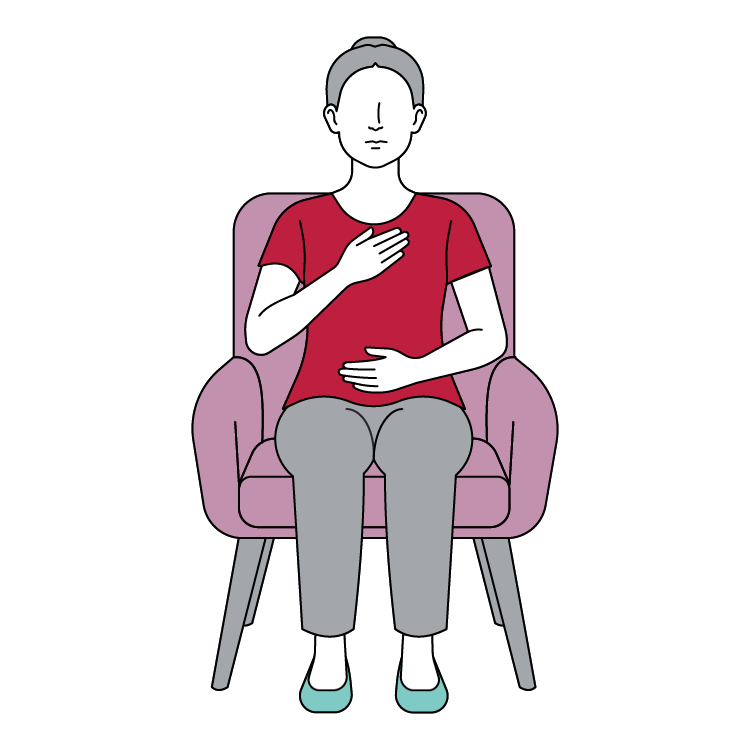 Belly breathing helps your lungs expand so that they take in more air.
Give it a try:
Source: Cleveland Clinic
A COPD action plan is a written plan that tells you how to treat your COPD and what to do when your symptoms get worse. It helps you make quick decisions in an emergency. Your action plan has three zones based on your symptoms.
Your doctor can help you fill out your action plan. For each zone, ask your doctor what type—and what amount—of medicine you should take for your symptoms.
Copyrighted material adapted with permission from Ignite Healthwise, LLC. This information does not replace the advice of a doctor.