October 26, 2026 | Empower Editorial Team
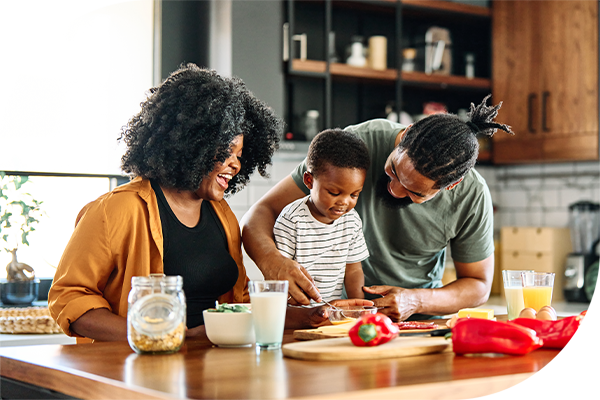
Three family members preparing a healthy meal together in a kitchen.
Healthy cooking does not have to be complicated. In fact, some of the best ways to support your health come from going back to the basics. Lifestyle Medicine encourages a “plant-first” approach, focusing on whole foods and simple cooking methods that protect nutrients and flavors.

Start with Whole, Plant-First Foods

Let’s begin with what “whole foods” and “plant-first” mean.

Whole Foods

  • Foods as close to their natural state as possible
  • Not heavily processed and no added chemicals or artificial ingredients
  • Packed with vitamins, minerals, and fiber that help your body function

Examples: fresh vegetables and fruits, whole grains, beans, lentils, nuts, and seeds

Plant-First

  • Meals centered around plant foods
  • Does not require avoiding animal products completely
  • Focus on filling most of your plate with plants

Examples: beans or lentils instead of red meat, meals built around vegetables and whole grains, fruit or nuts as snacks

The Easy Way to Veg

How you prepare your food matters just as much as what you eat. Cooking methods can affect both nutrient levels and the formation of harmful compounds. But cooking vegetables doesn't need to be complex or time-consuming. Get the most out of your vegetables with these simple techniques:
  • Wash and prepare your veggies. Depending on your recipe or preference, cut or trim vegetables to the size and shape you need. Keep them the same size so they cook evenly!
  • Choose your cooking method. Cooking time varies depending on the veggie, for example, sweet potatoes will take longer to roast than broccoli. For best results, try a quick internet search before cooking.

Here are three methods to get you started:

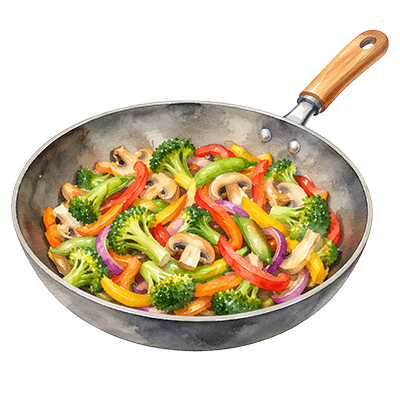
Vegetables in a stir-fry pan.
Sauté or Stir-Fry
Small or medium cut vegetables cook quickly on medium-high heat in a small amount of oil.
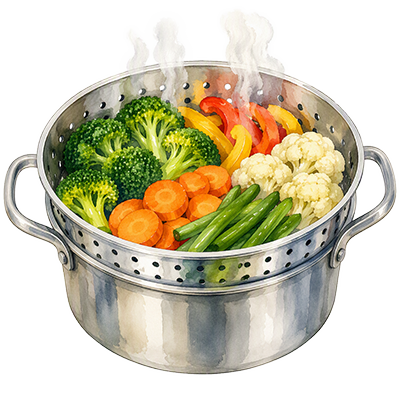
Steam
Cook vegetables set above boiling water, in a steamer basket. If you don’t have a steamer basket, try a metal colander set over a pot with a small amount of water.
Vegetables steaming in a pot.
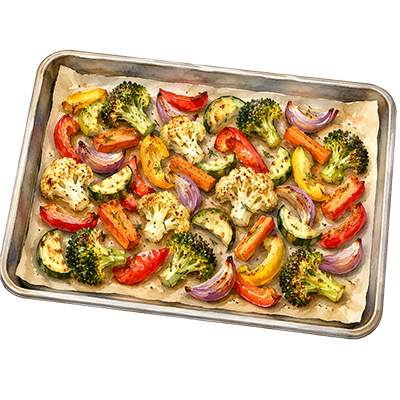
Vegetables on a roasting pan.
Roast or Air Fry
Toss vegetables with a small amount of olive oil and seasonings in a mixing bowl. Place a single layer on a baking sheet lined with parchment paper or foil. Bake or air fry at a medium-high temperature.

Keep Whole Foods in Reach

Make whole foods easier to reach during the week by preparing a batch or two when you have time. Choose your favorite cooking method, then store them for quick meals, snacks, or sides.

Healthy cooking is not about perfection. It is about making small, consistent choices that support your well-being. Focus on whole foods, cook with care, and build meals around plants. Over time, these simple habits can lead to lasting health benefits.

Quick Cooking Tips

  • Cooking for health doesn’t mean skimping on flavor. Choose your favorite seasonings or try something new. Use fresh ingredients (garlic, ginger, lemon juice, vinegar) or go for dry (pepper, onion or garlic powder, cumin, curry powder). Mix and match to see what you like!
  • Cooking time will depend on your vegetables.
  • Consider leaving skins on fruits and vegetables when possible. Many nutrients are found in the outer layers.

Don’t forget! Plant-based eating patterns can lower your risk of chronic disease like heart disease, diabetes, obesity, and some cancers.

Nutrition is one of the pillars of Lifestyle Medicine. Learn more about Lifestyle Medicine.

Empower Editorial Team

MVP contributors who support Empower magazine through collaboration and shared insights.